Most buyers ask me what a home costs. The smarter ones ask me what it will be worth.
If you're relocating to the SC Lowcountry from the Northeast or Mid-Atlantic, you're probably not flipping this house in eighteen months. You're buying a place to retire into, settle into, maybe pass down. That changes the math. A home that looks like a great deal today can be the wrong home in 2031 if it's sitting in the wrong category.
Here's what I'd tell you if we were sitting across the table.
Resale Value Isn't About the House. It's About the Category the House Is In.
Buyers fixate on finishes. Granite versus quartz, the age of the roof, whether the kitchen has been updated. Those things matter for your day-to-day enjoyment and your inspection negotiation. They matter much less for long-term value than the category your home sits in.
In the Lowcountry, the categories that move the needle are:
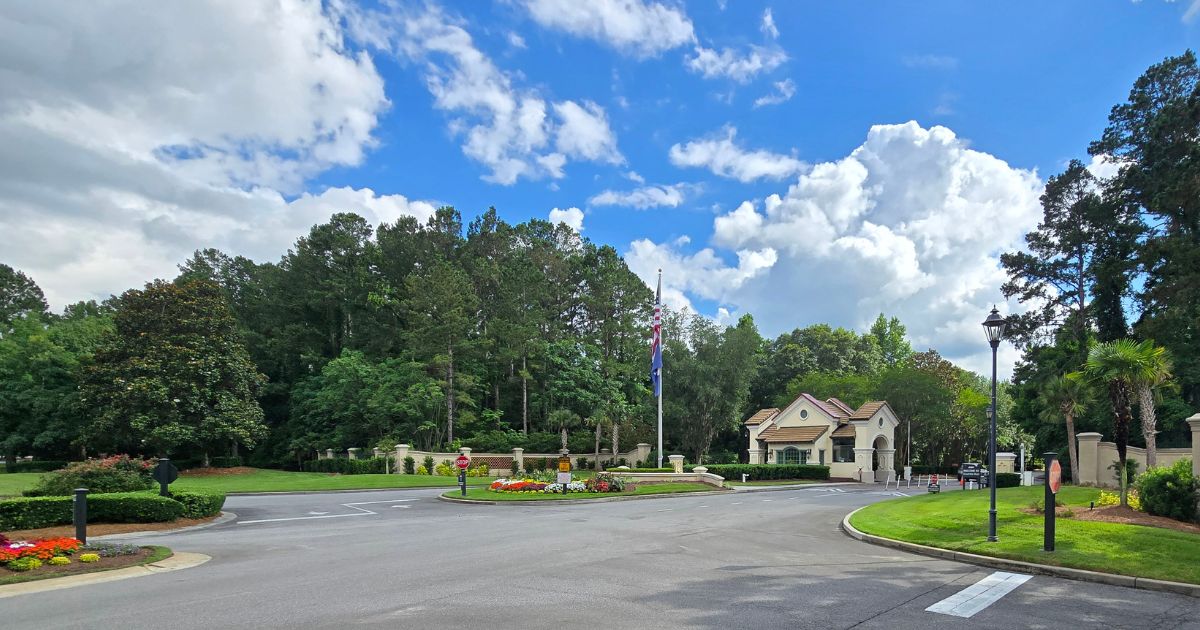
Gated versus non-gated. This is the single biggest divider in this market. Communities like Sea Pines, Palmetto Dunes, Hampton Hall, and Berkeley Hall have decades of track record protecting value because the gate, the architectural review board, and the HOA structure all work together to prevent the kind of inconsistent development that erodes buyer confidence. Non-gated communities can still hold value well, but you're relying more on the broader neighborhood and less on a structural mechanism that protects it.
Golf and amenity access versus none. Not every buyer wants golf. But the buyer pool who does is large, financially capable, and willing to pay for it. A home in a community with a real golf course, marina, or resort-style amenity package has a deeper bench of future buyers than a home that depends purely on location.
Waterfront and view premium versus interior lot. Oceanfront, marsh view, lagoon view, golf course view, in that rough order. This one is intuitive, but the mistake buyers make is assuming all "water view" listings are equal. A lagoon view in a flood zone with a narrow buildable lot is not the same asset as a marsh view on a high, dry lot. Ask me to walk the specific lot with you before you assume the view is the value driver everyone thinks it is.
55+ and lifestyle communities versus general market. Communities like Sun City, Latitude Margaritaville, and Four Seasons at Carolina Oaks serve a buyer who wants a specific kind of low-maintenance living. These communities can hold value well within their own category, but they draw from a narrower resale pool than a general market home. That's not a strike against them. It's something to understand going in.
What Actually Erodes Value Here
I'd rather tell you this before you buy than have you find out after.
Active builder competition inside the same community. If you're buying resale in a community where the builder is still selling new construction, you are competing against incentivized new-build pricing for the life of that build-out. That can mean longer days on market and softer pricing for resale sellers, even in a community that's otherwise healthy.
HOA fee trajectory and financial health. An HOA sitting on thin reserves is one bad storm season away from a special assessment. I pull the HOA questionnaire and financial reports before you write an offer, and a poorly funded association shows up as resistance at resale, even if today's fee looks reasonable. You can see typical fee ranges by community on my Bluffton HOA fees page.
Flood zone and insurance cost creep. This is the one I'm watching closest right now. Insurance costs in coastal South Carolina have been moving, and a home that was easily insurable five years ago may carry a meaningfully higher carrying cost today. That carrying cost becomes part of the affordability math for your eventual buyer too. A property in a stable flood zone with a newer roof and solid construction is going to resell easier than one that requires a buyer to absorb insurance uncertainty. If you're unsure whether a specific property needs it, I cover this in detail in do you actually need flood insurance for this home.
Deferred maintenance in a humid, salt-air climate. HVAC systems here run harder and shorter than what you're used to up north. Roofs age differently. Crawl spaces need attention that basements never required. None of this is disqualifying, but it's real, and it's a cost your eventual buyer will price in if it hasn't been addressed.
The Honest Trade-Off
The communities with the strongest, most defensible long-term value tend to come with higher HOA fees and a higher buy-in. The communities with lower carrying costs tend to draw from a narrower or more price-sensitive resale pool.
There isn't a universally correct answer. There's a correct answer for your situation, your timeline, and what you actually want day to day. A buyer planning to stay fifteen years and never sell can make a very different decision than a buyer who wants flexibility to relocate again in five.
What I won't do is tell you every home here is a good investment. Some are. Some are fine homes that simply aren't strong resale assets, and you should buy them with clear eyes if you do.
What I'd Tell You to Do Next
Don't try to evaluate resale potential from listing photos and a Zillow estimate. The category differences I described above (gate status, amenity access, flood zone, HOA financial health) usually aren't visible in the listing at all.
If you've found a few homes or communities you're seriously comparing, call or text me at 843.247.9373 and I'll give you my honest resale read on each one, including the parts the listing won't tell you.
You can also start browsing the current market and filter by community type as you narrow down what fits.
Get My Honest Resale ReadFrequently Asked Questions
Not always, but more often than buyers expect. The fee buys you architectural review, consistent maintenance standards, and a smaller, more controlled resale pool, all of which protect value over time. The exception is a gated community with thin reserves or deferred infrastructure work. Ask me to pull the HOA questionnaire and financials before you assume the gate alone is doing the work.
Often yes, for resale purposes specifically. You don't have to use the course to benefit from the deeper buyer pool it attracts. What matters more is whether the course and club are financially healthy. A struggling club can become a liability for every home in the community, golfer or not.
They resell well within their own category. The buyer pool is real and active, but it is narrower than the general market since you're selling to other buyers specifically seeking that lifestyle. If you think there's a real chance you'll want to sell to a younger buyer or a family down the road, that's worth factoring in before you buy.
Possibly. Lenders evaluate HOA financial health, litigation history, and investor concentration before approving conventional financing in some communities, particularly condos and attached homes. This is something I check before you write an offer, not after.
Shorter timelines make the category questions matter more, not less. You have less time for appreciation to smooth over a pricing mistake. If there's a real chance your timeline could shrink, tell me up front and I'll weight the search toward homes with the strongest, fastest-moving resale profile rather than the best lifestyle fit.
In most established communities, yes, gradually, tracking insurance costs, landscaping contracts, and infrastructure aging. The question isn't whether fees rise. It's whether the HOA is funding reserves responsibly now so increases stay gradual instead of arriving as a surprise special assessment. I'll walk you through how to read the HOA questionnaire and financials before you commit.